Go Public or Go Home: Building an Accountability System That Actually Moves the Needle

Let's get one thing out of the way upfront: this isn't an article about posting your Strava runs for likes, or turning your fitness journey into a personal brand. This is about something more specific, more deliberate, and frankly a lot more effective — using shared performance data as a behavioral tool that measurably improves your consistency, your effort quality, and your long-term results.
The difference matters. Because done wrong, public tracking becomes a comparison trap that burns you out in three months. Done right, it might be the single most powerful accountability lever you haven't fully deployed yet.
What the Data Says About Shared Tracking
The psychology here is well-established. When people know their behavior is being observed — even by a single trusted person — they perform differently. This isn't about pressure or performance anxiety. It's about what behavioral scientists call "identity commitment." When you share your goals and your progress data with someone else, you're implicitly staking your self-concept on following through. The social dimension transforms an abstract intention into a concrete commitment.
Studies in behavioral economics have consistently found that people who share progress toward a goal with an accountability partner are significantly more likely to complete that goal than those who keep their tracking private. One frequently cited finding from the American Society of Training and Development puts the completion rate improvement at around 65% when you commit to someone else versus just committing to yourself.
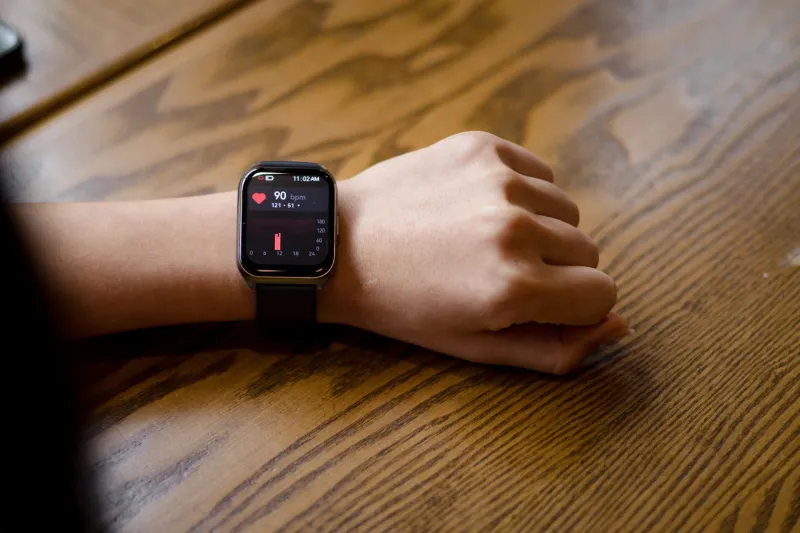
For athletes, the effect is compounded because performance data gives accountability a specificity that general goal-sharing lacks. It's one thing to tell your training partner "I want to get faster." It's another to share a dashboard showing your weekly pace data, your sleep scores, and your session completion rate. The second version creates real accountability because there's nowhere to hide.
The Accountability Spectrum: Finding Your Right Level
Not every athlete responds to the same kind of public tracking, and getting this wrong can actually backfire. Here's a rough framework for thinking about where you fall:
The Private Sharer — You want accountability but you're protective of your data. The right move: share with exactly one person you deeply trust. A coach, a training partner, or a close friend who's also serious about their own performance. Keep the audience small, but make the data sharing real and regular.
The Small Group Athlete — You thrive in team environments and draw energy from collective effort. The right move: create or join a small training group (four to eight people) with a shared tracking channel — a Slack group, a shared Google Sheet, or a platform like TrainingPeaks. Weekly check-ins with actual numbers create low-stakes accountability with high consistency benefits.
The Community-Driven Performer — You're genuinely motivated by broader visibility and don't mind a larger audience. The right move: platforms like Strava, Nike Run Club, or fitness-focused subreddits where you can share progress data with a community. The key here is curating your feed carefully to avoid the comparison trap (more on that below).
The critical thing across all three levels: you need to be sharing process data, not just outcome data. Don't just post your race time. Share your training consistency rate. Don't just show your PR. Show the 289 days of logged sessions that built it.
The Comparison Trap and How to Sidestep It
Here's where a lot of people go wrong with public tracking — they start measuring their progress against other people's progress instead of against their own baseline. This is a fast track to either false confidence (you're ahead of the comparison group) or unnecessary discouragement (you're behind).
The fix is surprisingly simple: only share data that's benchmarked against yourself. When you post a workout update, frame it in terms of your own improvement. "Week 14 — pace is down 12 seconds per mile from my week-one baseline." Not "ran 8:30 pace today." One of those invites comparison. The other invites only one reasonable response: respect for your own progress.
This framing shift also makes your shared data more motivating for you, because it constantly reinforces the narrative of personal improvement rather than relative standing. Your accountability system should be generating evidence that you're getting better — not a leaderboard that tells you where you rank.
Setting Up Your Accountability Architecture
If you want to build a sharing system that actually drives results, here's a practical starting point:
Step 1: Define your three to five core tracked metrics. These are the numbers you'll actually share. Keep them to the variables most predictive of your performance goals — not every data point your wearable captures.
Step 2: Choose your accountability partner(s) intentionally. This is the most important step. The right accountability partner is someone who will ask follow-up questions, not just offer encouragement. You want someone who'll notice when your sleep scores have been tanking for two weeks and say something about it.
Step 3: Set a sharing cadence and stick to it. Weekly is usually the sweet spot — frequent enough to maintain accountability, infrequent enough that it doesn't become a performance in itself. Pick a day (Sunday evening works well for most athletes) and make it a habit.
Step 4: Build in a reflection component. Don't just share numbers. Share one observation about what the numbers are telling you. This forces you to actually engage with your data rather than just logging it passively.
Step 5: Audit the system every 30 days. Is the accountability system motivating you or stressing you out? Are you being honest with your data, or starting to game it for appearances? A quick monthly check-in keeps the system healthy.
The Real Goal of Going Public
At its best, an accountability system doesn't just improve your adherence rates — it changes how you relate to your own training data. When you know you're going to share your numbers with someone who pays attention, you start paying more attention yourself. You look at your sleep score before bed instead of ignoring it. You think twice before skipping a recovery day because you'll have to explain it on Sunday.
That heightened attention to your own data is the real compounding benefit here. The accountability partner isn't doing anything magical. They're just creating the conditions under which you take your own tracking seriously.
The numbers you share with others are the numbers you'll work hardest to improve. Choose them carefully, share them honestly, and let the system do what systems do — show up even when motivation doesn't.