When the Numbers Take Over: How Obsessive Tracking Can Work Against You

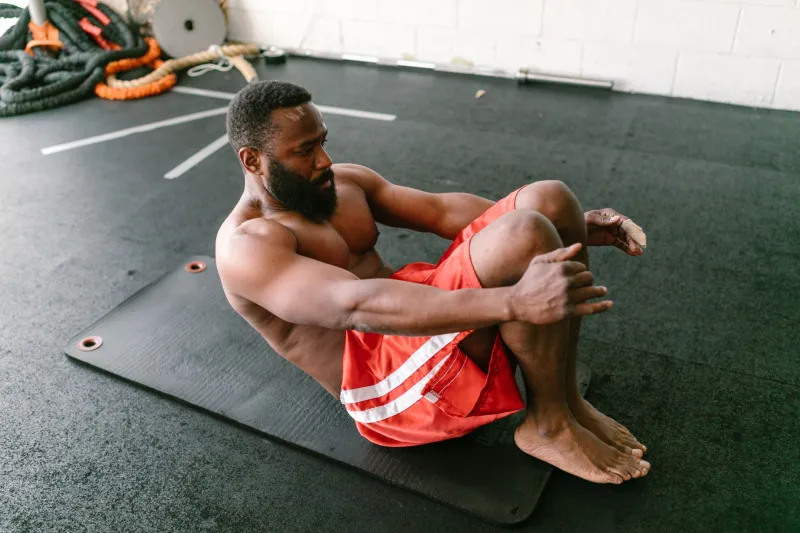
Photo: athlete looking stressed at smartwatch data overload gym, via caaweb.org
There's a moment most serious athletes know well. You're mid-session, something feels off — your legs are heavy, your breathing is labored, your mind is somewhere else entirely. But instead of listening to that signal, you glance at your watch, see your pace is on target, and push through anyway.
That's not discipline. That's your data overriding your instincts — and it happens more than anyone in the fitness tech world wants to admit.
Tracking your performance is genuinely powerful. At Goal289, we're built on the idea that reps logged and results owned create a feedback loop that compounds over time. But there's a version of that philosophy that goes sideways, and it's worth talking about honestly.
The Paradox Nobody Warns You About
Here's the uncomfortable truth: more data doesn't automatically mean better decisions. In fact, research in behavioral psychology consistently shows that beyond a certain threshold, additional information leads to worse choices — not better ones. It's called analysis paralysis, and it's rampant in the fitness world right now.
When you're logging sleep quality, HRV, resting heart rate, calorie burn, macros, step count, VO2 max estimates, training load, recovery score, and perceived exertion all in the same morning — before you've even touched a barbell — you've created a decision-making burden that drains the mental energy you actually need to train well.
Psychologists call this decision fatigue. By the time you've processed ten different metrics and tried to reconcile them, you've already spent cognitive resources that could've gone toward focus, intensity, and execution.
When Metrics Replace Intuition
Athletes who over-track often describe a creeping disconnection from their own bodies. A runner who used to pace by feel starts panicking when her GPS watch shows 6:48 instead of 6:45. A lifter who once knew instinctively when he had another rep in the tank now won't go beyond what his app prescribes.
This isn't hypothetical. Sports psychologists working with collegiate and recreational athletes in the US have noted a pattern where wearable dependency actively suppresses what coaches call interoceptive awareness — your body's ability to read its own internal signals. The more you outsource that sensing function to a device, the rustier it gets.
And here's where it gets really counterproductive: that internal awareness is exactly what you need when it matters most. No wearable is going to tell you whether to push in the final 400 meters of a race. That call comes from inside.
Not All Metrics Are Created Equal
The fix isn't to throw your Garmin in a drawer and go fully analog. It's to get intentional about which numbers actually move the needle for your specific goals — and which ones are just noise dressed up as insight.
Ask yourself this: In the last 90 days, which three metrics have most directly informed a training decision that produced a measurable result?
For most athletes, that list is short. A marathon runner probably needs weekly mileage, long run pacing, and sleep duration. A powerlifter needs bar speed, total volume load, and maybe HRV on heavy days. A basketball player might prioritize sprint times, reactive agility scores, and practice attendance.
Everything else? It might be interesting. It might even be useful someday. But if it's not actively informing decisions, it's occupying mental real estate that could be used for something more productive.
The Shame Spiral Nobody Talks About
There's another dark side to obsessive tracking that gets even less airtime: the emotional weight of bad data days.
When your entire training identity is wrapped up in hitting specific numbers, a single off-metric session can spiral into self-doubt, anxiety, or worse — the kind of shame that makes people quit altogether. A 2023 survey of recreational endurance athletes found that nearly 40% reported feeling "guilty" or "like a failure" after sessions where their metrics fell below personal benchmarks, even when they felt physically fine.
That's the accountability paradox in full effect. The tool designed to keep you honest starts punishing you for being human.
A Smarter Framework for Logging
Here's a practical reset you can run on your tracking habits right now:
Step 1: Audit your metrics. List everything you currently track. Circle the ones you've acted on in the last month. Everything uncircled is a candidate for cutting.
Step 2: Assign a tier. Tier 1 metrics are non-negotiables for your goal (track always). Tier 2 are useful context (track weekly). Tier 3 is curiosity data (check monthly or when something feels wrong).
Step 3: Add one subjective score. Before you look at any device data after a session, write a single number from 1–10 reflecting how your body felt. Over time, comparing that score to your objective metrics will tell you more about your actual fitness than any algorithm can.
Step 4: Set a data blackout window. Pick one training session per week where you track nothing. Just move, compete, feel. It'll feel weird at first. That weirdness is the point.
The Goal Is Still the Goal
Data is a tool, not a destination. The best athletes in the world — from NBA rosters to Olympic training centers — work with performance analysts who are constantly filtering signal from noise, protecting the athlete's mental bandwidth as much as their physical output.
You deserve that same approach, even if your "analytics team" is just you and a spreadsheet.
Track what matters. Drop what doesn't. And every now and then, put the watch down and trust the body you've been building. It knows more than you think.